

How many times have you googled 'why does my cake sink in the middle?

This might be the last time you search for why cakes sink and crack. I am here with my Baking And Pastry degree knowledge and some simple tips, so you can prevent these mishaps and achieve a perfectly baked cake every time.
Understanding Cake Batter Sinking and Cracking
Firstly, let's talk about cake sinking. There are a few reasons why your cake could sink in the middle. One possibility is that the cake wasn't fully baked in the center. To avoid this, make sure to use a toothpick or skewer to test the cake's doneness. The toothpick should come out clean or with a few crumbs attached, but never with wet batter. Additionally, if you live in a high altitude area, you may need to adjust your recipe or baking time to account for the lower air pressure, which can affect the cake's rise.
Another reason why your cake may sink is due to over-mixing the batter. Over-mixing can cause too much air to be incorporated into the batter, which can cause it to collapse during baking. To prevent this, mix the batter just until the ingredients are combined and avoid over-beating.
Now let's talk about cake cracking. Cakes can crack for a few reasons, including baking at too high of a temperature or using too much leavening agent, such as baking powder or baking soda. To prevent this, make sure to measure your ingredients accurately and follow the recipe closely. Additionally, avoid opening the oven door too frequently during baking, as this can cause fluctuations in temperature that can lead to cracking.
Finally, it's important to note that cakes can sink or crack after being taken out of the oven if they are not allowed to cool properly. To prevent this, make sure to let your cake cool in the pan for at least 10-15 minutes before removing it from the pan and transferring it to a wire rack to cool completely.
Reasons for Cake Sinking in the Oven
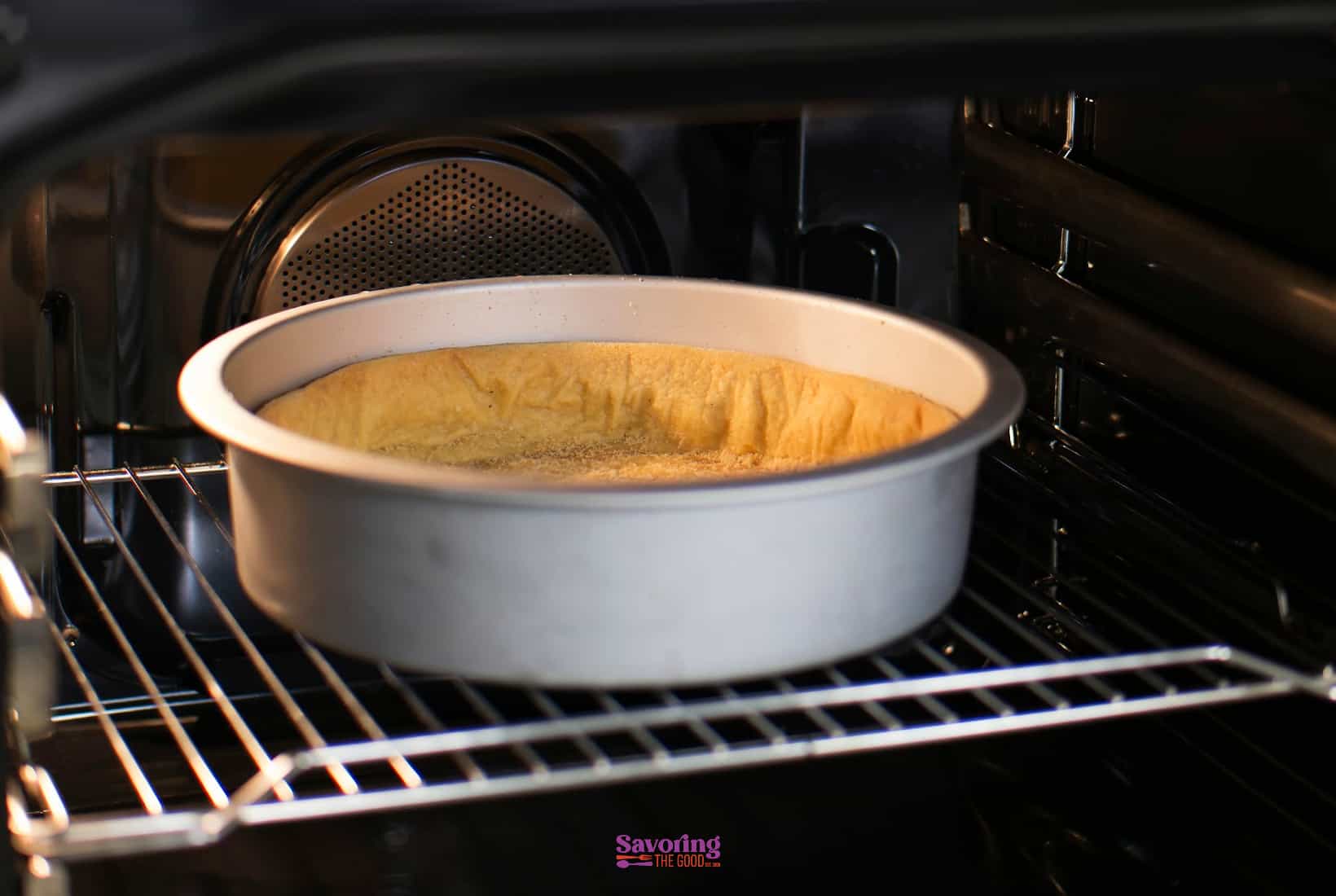
As a baker, I know that sinking or cracking cakes can be frustrating. There are several reasons why a cake may sink or crack, and it's essential to understand them to prevent it from happening in the future.
High Altitude Baking
High altitude baking can be a significant factor in cake sinking. At high altitudes, the air pressure is lower, and the air is drier, which can affect the baking process. When baking at high altitudes, the cake may rise too quickly, and then collapse in the middle, resulting in a sunken cake.
To prevent this, it's essential to adjust the recipe for high altitude baking. You may need to increase the baking time, reduce the amount of baking powder, or increase the oven temperature slightly. It's also helpful to add extra liquid to the recipe to prevent the cake from drying out.
Overall, understanding the reasons for cake sinking, such as high altitude baking, can help you prevent it from happening in the future. With a few adjustments to your recipe and baking process, you can ensure that your cakes come out perfectly every time.
What causes cakes to sink in the middle?
After taking your cake out of the oven, you may notice that it has sunk in the middle. This can be frustrating, especially if you were hoping to serve the cake to guests or bring it to a special occasion.
Underbaking
If your cake is not fully baked, it may sink in the middle. Be sure to test your cake for doneness using a toothpick or cake tester. The tester should come out clean when inserted into the center of the cake. When in pastry school we would check to see that a crust has formed all across the top of the cake. Then we would GENTLY tap the surface of the cake to see if there was any giggle or wiggle. If there was any movement, especially one resembling jello, the door was quickly and softly closed because this was an underbaked cake.
Opening the oven door
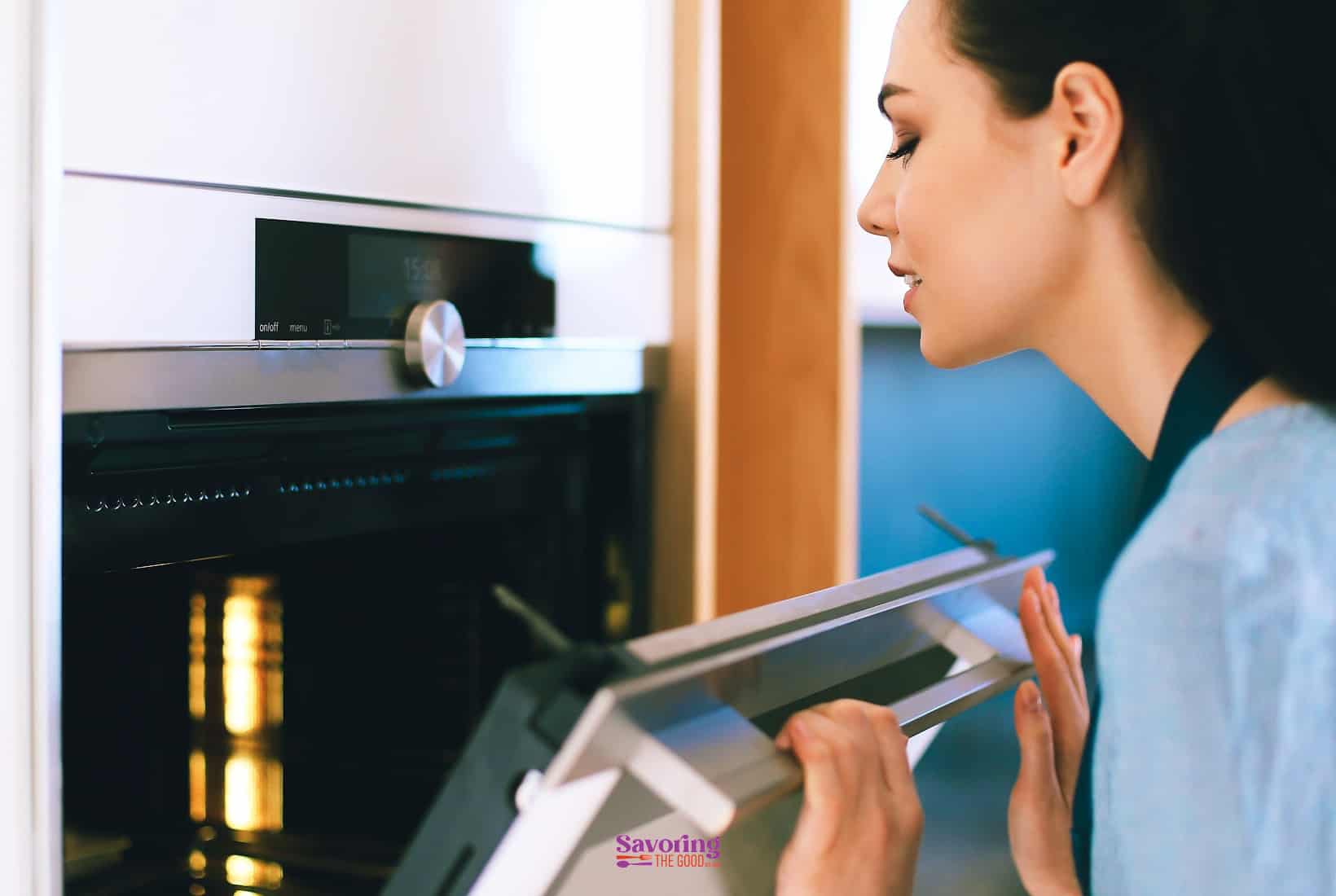
Opening the oven door too often during baking can cause the temperature to fluctuate, which can cause your cake to sink. Try to resist the urge to check on your cake too frequently. Instead, turn on the oven light to check to see if the cake is ready to be tested with a toothpick. By opening the door an oven can lose oven temperature as much as 25 degrees, depending on the time the door was open. The oven then has to recalibrate by recalibrating and bringing the oven back up to temperature.
Overmixing the batter
Overmixing your cake batter can cause too much air to be incorporated, which can the batter to rise too much and then sink in the middle. Mix your batter just until all the ingredients are incorporated.
Using the wrong cake pan size
Using a pan that is too small for the amount of batter can cause overflow and then sink in the middle. Be sure to use the correct pan size specified in the recipe.
Not enough baking powder or baking soda ie. leavening agent
If your cake does not have enough baking powder or baking soda, it may not rise properly and then sink in the middle. Be sure to measure your ingredients accurately and follow the recipe closely.
Oven temperature is too high or too low
Oven temperature issues can definitely contribute to uneven rising and sinking in cakes.
Here are some key things to know:
If the oven is too hot:
- The exterior of the cake sets too quickly before the inside finishes expanding
- This causes the center to keep rising to form a dome shape
- Overbrowning around the edges is another indicator of too high a temperature
If the oven is too low:
- The cake batter doesn't get hot enough fast enough to properly activate rising agents
- This leads to minimal rise throughout and a dense, gummy texture
- Check your oven with a thermometer to confirm the accuracy
To prevent oven temp issues:
- Invest in an inexpensive oven thermometer to routinely check accuracy
- Preheat sufficiently - at least 15 mins for most standard ovens
- Avoid opening the oven door unnecessarily during baking
- Know your hot and cool spots and rotate accordingly halfway through bake time
Checking your oven temperature control and making adjustments is crucial for cakes to expand slowly and evenly while baking. Keeping the door closed also maintains that ambient heat.
How do I keep my cake from rising in the middle?
- Avoid opening the oven door while baking. Sudden drops in oven temp from an opened door can cause the exterior of cakes to set before the inside finishes expanding. The center then keeps rising, creating a dome shape.
- Check for oven hot spots. If the oven heats unevenly, rotate the pan halfway during baking. You can test your oven temp accuracy using an oven thermometer too.
- Use cake strips. These insulate the sides of cake pans and regulate the outside from setting before the inside. Strips also keep edges from overbrowning.
Can I Eat A Cake That Sank In The Middle?
As a baker, I understand the frustration of having a cake sink or crack in the middle. But what about the safety of consuming a sunken cake? Can you still eat it?
The good news is that a sunken cake is still safe to eat as long as it has been properly baked and stored. However, it may not have the best texture or appearance.
Here are some tips on how to safely consume a sunken cake:
A sunken cake is still safe to eat as long as it has been properly re-baked and stored. However, it may not have the best texture or appearance.
By following these tips, you can safely consume a sunken cake or use it for other purposes.
- Check the baking time and temperature: A sunken cake may be a result of underbaking or baking at a low temperature. Make sure to follow the recipe instructions and check the cake for doneness using a toothpick or cake tester.
- Store the cake properly: A sunken cake should be stored in an airtight container at room temperature or in the refrigerator. Make sure to wrap the cake tightly with plastic wrap or aluminum foil to prevent it from drying out.
- Cut out the sunken part: If the sunken part is too moist or underbaked, it is best to cut it out before consuming the cake. You can use a cookie cutter or a knife to cut out the sunken part and then cover the cake with frosting or whipped cream.
- Use the cake for other purposes: If the sunken cake is too dry or unappealing, you can still use it for other purposes. You can crumble it up and use it as a topping for ice cream or yogurt, or use it to make cake pops or truffles.
Preventing Cake From Sinking and Cracking
As a baker, I know how frustrating it can be when your cake sinks or cracks. However, with a few precautions, you can prevent these issues and ensure that your cake turns out perfectly every time. In this section, I will discuss some pre-baking and post-baking tips that can help prevent cake sinking and cracking.
Precautions to Take to Prevent an Underbaked Cake
Before you start baking your cake, there are a few things you can do to prevent it from sinking or cracking. Here are some pre-baking precautions you can take:
- Use the right pan size: Using the right pan size is crucial to prevent your cake from sinking. If the pan is too small, the batter will overflow, and if it's too big, the cake will be too thin and may sink in the middle. Check the recipe for the recommended pan size and use that.
- Preheat the oven: Preheating the oven is essential to ensure that the cake bakes evenly. If the oven is not preheated, the cake may sink or crack. Preheat the oven for at least 15 minutes before baking the cake.
- Measure ingredients accurately: Measuring ingredients accurately is crucial to ensure that the cake rises properly and doesn't sink or crack. Use a kitchen scale to weigh the ingredients or use measuring cups and spoons.
- Don't overmix the batter: Overmixing the batter can result in sinking or cracks. Mix the batter just until all the ingredients are combined.
Post-Baking Care
Once the cake is out of the oven, there are a few things you can do to prevent it from sinking or cracking. Here are some post-baking care tips:
- Don't open the oven door too often: Opening the oven door too often can trigger a sink or crack. Only open the oven door when necessary, such as to check if the cake is done.
- Let the cake cool in the pan: Letting it cool in the pan for a few minutes before removing it can help prevent it from sinking or cracking. This allows the cake to set and prevents it from collapsing.
- Remove the cake from the pan carefully: Removing from the pan too soon or too roughly can cause it to sink or crack. Run a knife around the edges of the pan to loosen, then invert the pan onto a wire rack to remove the cake.
By following these pre-baking and post-baking precautions, you can prevent your cake from sinking or cracking and ensure that it turns out perfectly every time.
Frequently Asked Questions
How do you make a cake rise evenly?
Here are some tips to help a cake rise evenly:
- Properly cream butter & sugar. Beat together the butter and sugar thoroughly until light and fluffy. This aerates the mixture which will help the cake rise. Go for at least 5 minutes.
- Don't overmix once flour is added. Gently fold in the dry ingredients just until no streaks of flour remain. Overmixing develops gluten which can make a cake tough and unevenly rise.
- Use proper leavening agents. Make sure to use the right leavening like baking powder/soda for your recipe. Check expiration dates too. Old leaveners lose potency.
- Allow eggs & butter to reach room temp before using. Incorporating colder ingredients into batter can cause uneven rising.
- Grease pans thoroughly & evenly. A key for an even rise is the batter spreading evenly in the pan. Grease all over the inside surfaces well.
- Bake on a center rack at the proper temp. Place cakes towards the center of the oven for even surrounding heat rather than too close to top/bottom heating elements.
- Cool cakes layers completely before frosting or filling. This allows the structure to firm up before adding extra weight from frosting that can cause uneven sinking.
Why do cakes fall when cooling?
Cakes can fall when cooling due to several reasons. One of the most common reasons is that the cake was not fully baked in the center. When a cake is not fully baked, the center of the cake will sink as it cools. Another reason for a cake to fall is that it was over-mixed. Over-mixing can cause the cake to rise too much in the oven and then fall as it cools.
Why does my cake break when I take it out of the pan?
Cakes can break when taken out of the pan due to several reasons. One of the most common reasons is that the cake was not fully cooled before removing it from the pan. When a cake is still warm, it is more delicate and can easily break. Another reason is that the pan was not greased or floured properly before baking.
Is cracked cake bad?
A cracked cake is not necessarily bad. Cracks can happen for several reasons, including over-mixing, over-baking, or sudden changes in temperature. However, a cracked cake can be a sign that the batter was over-baked or over-mixed, which can affect the texture and taste of the cake. If the finished produce is still moist and flavorful, then a few cracks are not a big deal.
Why did my cake sink on the sides?
One of the most common reasons is that the oven temperature was too high, causing the cake to rise too quickly and then sink on the sides. Another reason is that the cake was over-mixed or over-leavened, causing the cake to rise too much and then sink on the sides. It could also be due to uneven baking, where the sides of the cake were baked faster than the center, causing the cake to sink on the sides.

I am Sarah Mock. Welcome!
Sarah Mock is a classically trained Chef and graduate of Johnson & Wales University. A culinary blogger for 16 years Sarah helps the home cook prepare her recipes with professional results.





Comments
No Comments